Perundingan produk
Alamat e -mel anda tidak akan diterbitkan. Bidang yang diperlukan ditandakan *

A scissor lift looks like a straightforward mechanism—push oil in, the platform rises; let oil out, the platform falls. The reality is considerably more demanding. The crossed linkage geometry that gives the scissor lift its compactness also concentrates mechanical stress on the hydraulic cylinder in ways that simply do not occur in a conventional single-stage lift.
As the scissor arms extend, the angle between each pair of arms changes continuously. This means the lateral force acting on the cylinder rod is never constant—it cycles through low and high values with every stroke. Seals that perform adequately in a linear, steady-load application will be stressed unevenly here, accelerating wear on one side of the rod seal before the other. The result is premature leakage, which in a scissor lift translates directly into uncontrolled descent.
At the same time, the platform itself must remain horizontal throughout the full height range. Any micro-deflection in the cylinder—caused by a worn or poorly fitted seal allowing the rod to move laterally under side load—produces visible wobble at the work surface. For operators working at height, that wobble is not just uncomfortable; it is a safety event. This is why hydraulic cylinders engineered for scissor lift aerial platforms require a sealing system designed around dynamic lateral loading, not just axial pressure.
Here is a physical fact that surprises many engineers encountering scissor lifts for the first time: when the platform descends, it moves significantly faster than the cylinder retracts. In a typical two-stage scissor design, the platform velocity can be three to four times the cylinder retraction speed at mid-stroke. This is a direct consequence of the linkage geometry—the same mechanism that amplifies the lifting force also amplifies the descent velocity.
The practical implication is that a cylinder with a perfectly acceptable retraction rate in isolation can allow the platform to drop at a speed that is dangerous for both the operator and the load. Standard lowering valves sized for the cylinder stroke are undersized for the platform velocity they produce. The solution requires two coordinated components working together:
Without both measures, a scissor lift that passes every static load test can still fail catastrophically in dynamic operation. Sealing quality is equally critical here: any internal bypass across a worn piston seal effectively opens a second, uncontrolled flow path that defeats the calibrated descent valve entirely.
The piston rod is the only moving part that spans both the pressurized interior of the cylinder and the mechanical structure of the scissor arms. Its surface condition determines two things simultaneously: how long the seals last, and how smoothly the platform travels.
A rod with surface roughness above Ra 0.4 µm acts as a micro-abrasive against the rod seal on every stroke cycle. At low cycle counts, the damage is invisible. By 5,000 to 8,000 cycles, the same seal that originally provided zero leakage begins to bypass oil at the microscopic scratches, and internal leakage starts converting hydraulic pressure into heat rather than platform movement. The platform develops a slight, intermittent jerk—often described by operators as a "stick-slip" sensation—that is the first indication of seal degradation.
Chrome plating and micro-polishing to Ra 0.2 µm or better address the surface condition issue, but rod geometry matters equally. Any out-of-roundness or straightness deviation in the rod introduces a cyclic side-load on the seal, accelerating wear even on an otherwise smooth surface. For scissor lift applications where the rod already carries a variable lateral load from the linkage geometry, this compounds the problem. Specifying a cylinder with tight straightness tolerances—typically ≤0.05 mm over the full rod length—is not a precision luxury; it is a functional requirement for acceptable platform stability.
Regulatory frameworks reflect the severity of a hydraulic failure on an aerial work platform. OSHA standard 29 CFR 1910.67 mandates that all critical hydraulic components comply with ANSI A92.2 bursting safety factor requirements—defined as components whose failure would result in free fall or free rotation of the platform. For scissor lift cylinders, this means the cylinder tube, end caps, and port connections must all be rated to withstand a minimum multiple of the maximum working pressure without structural failure.
In practice, reputable manufacturers apply a safety factor of 2.5× to 3× the rated working pressure at the hydraulic component level, with the overall structural assembly proof-tested beyond that. This margin exists for a reason: real-world scissor lifts experience pressure spikes from dynamic loading—a forklift dropping a pallet onto the platform, for example—that can briefly exceed the nominal working pressure by 20 to 40 percent.
Beyond the cylinder body itself, the valve configuration can be adapted to specific operational requirements:
| Valve Type | Function | When to Specify |
|---|---|---|
| Velocity fuse (rupture valve) | Closes automatically on excess flow; prevents free fall on hose burst | All scissor lift applications |
| Overload relief valve | Limits maximum system pressure; protects cylinder and structure | Variable-load or outdoor applications |
| Proportional flow control valve | Provides smooth, speed-regulated descent regardless of load weight | Personnel platforms, high-precision positioning |
| Manual lowering valve | Allows controlled descent using gravity without power | All platforms as emergency backup |
The right valve combination depends on the platform's rated capacity, maximum working height, and the nature of the loads it will carry. A single-cylinder platform for light tooling has different requirements than a dual-cylinder heavy-load platform used in aerospace manufacturing. This is where hydraulic cylinders for aerial work vehicles need to be evaluated as systems, not just as individual components.
Founded in 2004 and recognized as the initiator of the "Made in Zhejiang" standard for hydraulic cylinders used in scissor-type aerial work platforms, Huanfeng Machinery has spent two decades building products specifically around the failure modes described above—not general-purpose hydraulic cylinders adapted to aerial work after the fact.
The cylinder rods are chrome-plated and ground to Ra ≤ 0.2 µm, with straightness tolerances held to production standards consistent with long-seal-life requirements under variable lateral loading. Seal specifications are selected for the dynamic side-load conditions of scissor linkage geometry, not just rated pressure. Velocity fuse and overload valve configurations are available to match the specific platform design, and Huanfeng's engineering team works with OEM customers to determine the appropriate valve combination before production.
For maintenance teams managing an existing fleet, cylinder accessories for maintenance and replacement are available to restore sealing performance without full cylinder replacement. Keeping a scissor lift cylinder performing to its original specification is almost always more cost-effective than discovering the degradation through an incident on the work platform.
The engineering decisions that determine scissor lift platform stability—sealing system design, rod surface quality, velocity fuse calibration, safety factor margin—are made at the cylinder manufacturing stage. By the time a platform is assembled and commissioned, those decisions are locked in. Specifying the right cylinder from the outset is the single most effective intervention available.
Alamat e -mel anda tidak akan diterbitkan. Bidang yang diperlukan ditandakan *
Reka bentuk yang mengagumkan memenuhi pembuatan yang ketat
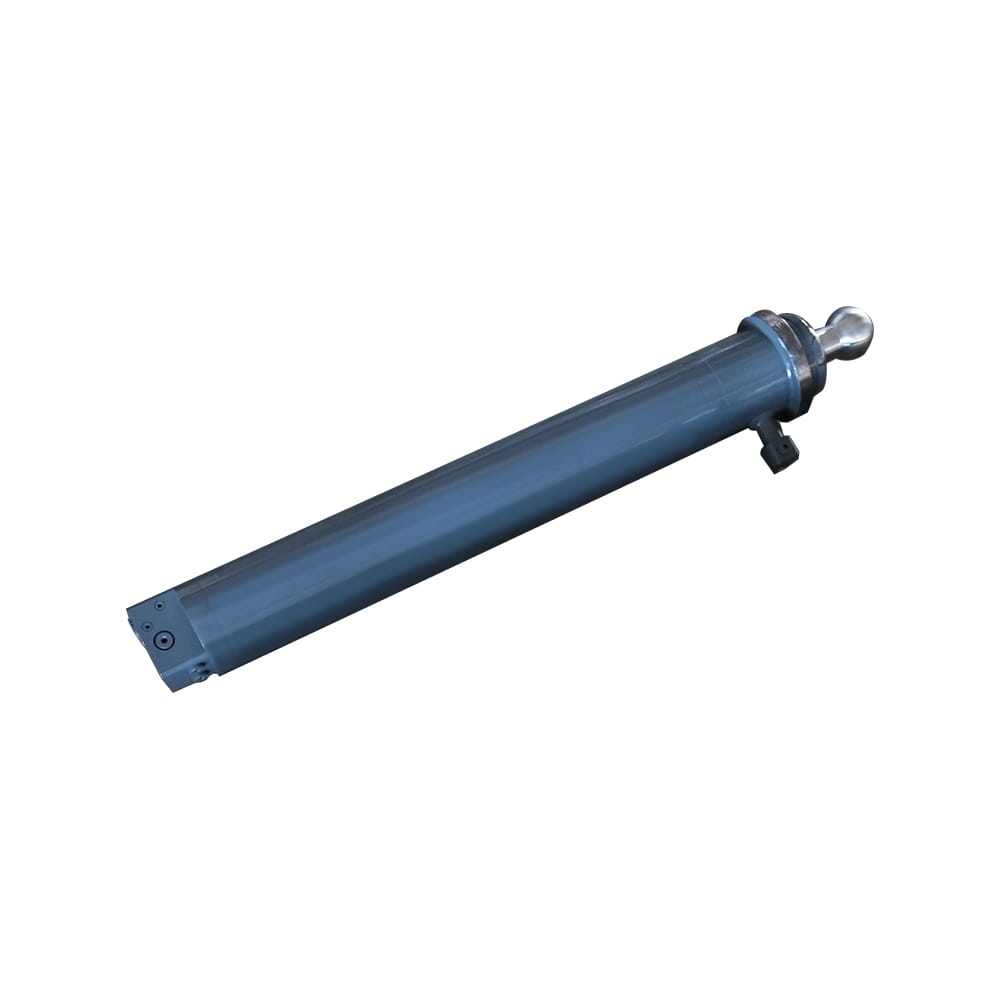 Silinder Outrigger Platform Aerial Platform Aerial
Fungsi: tegas menyokong kenderaan: Memastikan kestabilan semasa operasi. Kaki bola kepala secara automatik di lereng, manakala injap baki bersepadu menghalan...
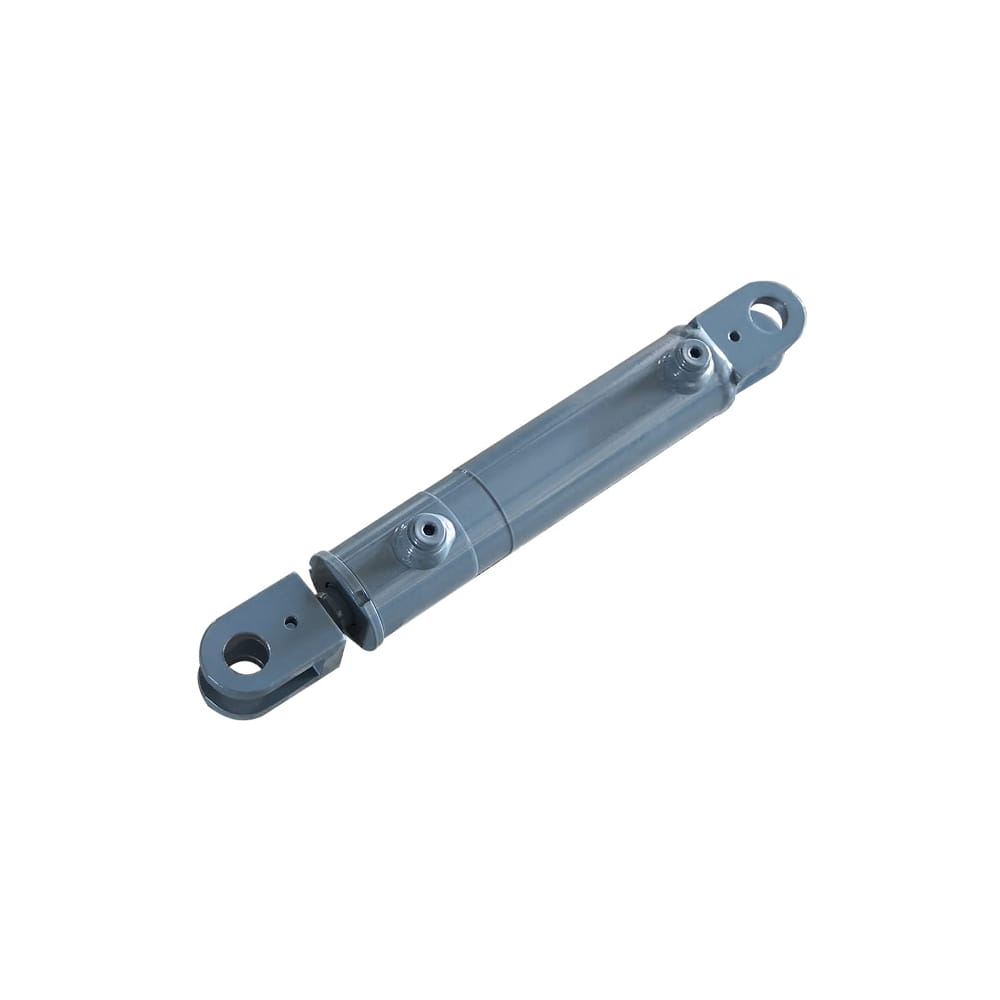 Silinder Pemandu Hidraulik Platform Udara Udara
Fungsi: Menghubungkan casis dan hab roda: Melalui tekanan hidraulik, memacu rod omboh untuk bergerak, membolehkan putaran hab roda yang tepat. Ini memastikan...
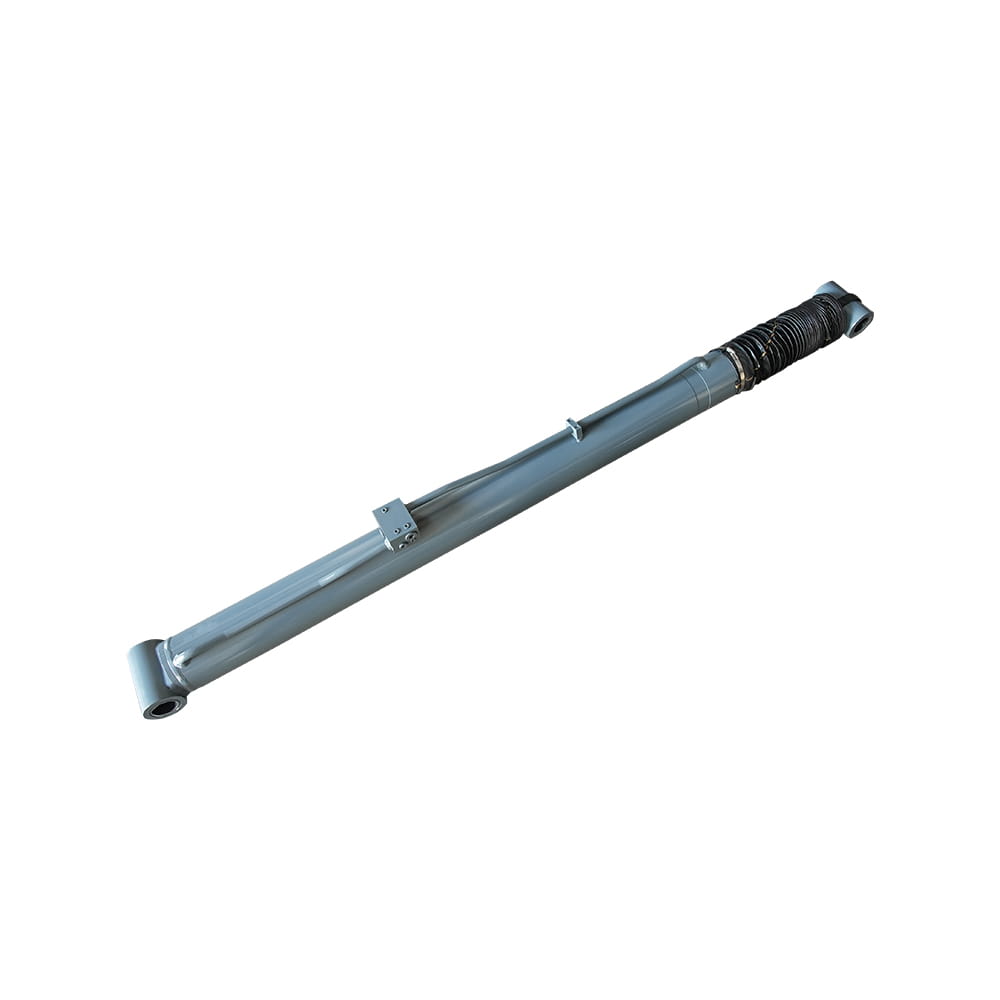 Boom Lift Platform Udara Hidraulik Luffing Silinder
Fungsi: Laraskan sudut lengan teleskopik ke fleksibel meletakkan platform kerja di pelbagai ketinggian dan kedudukan, memenuhi keperluan kerja udara yang pel...
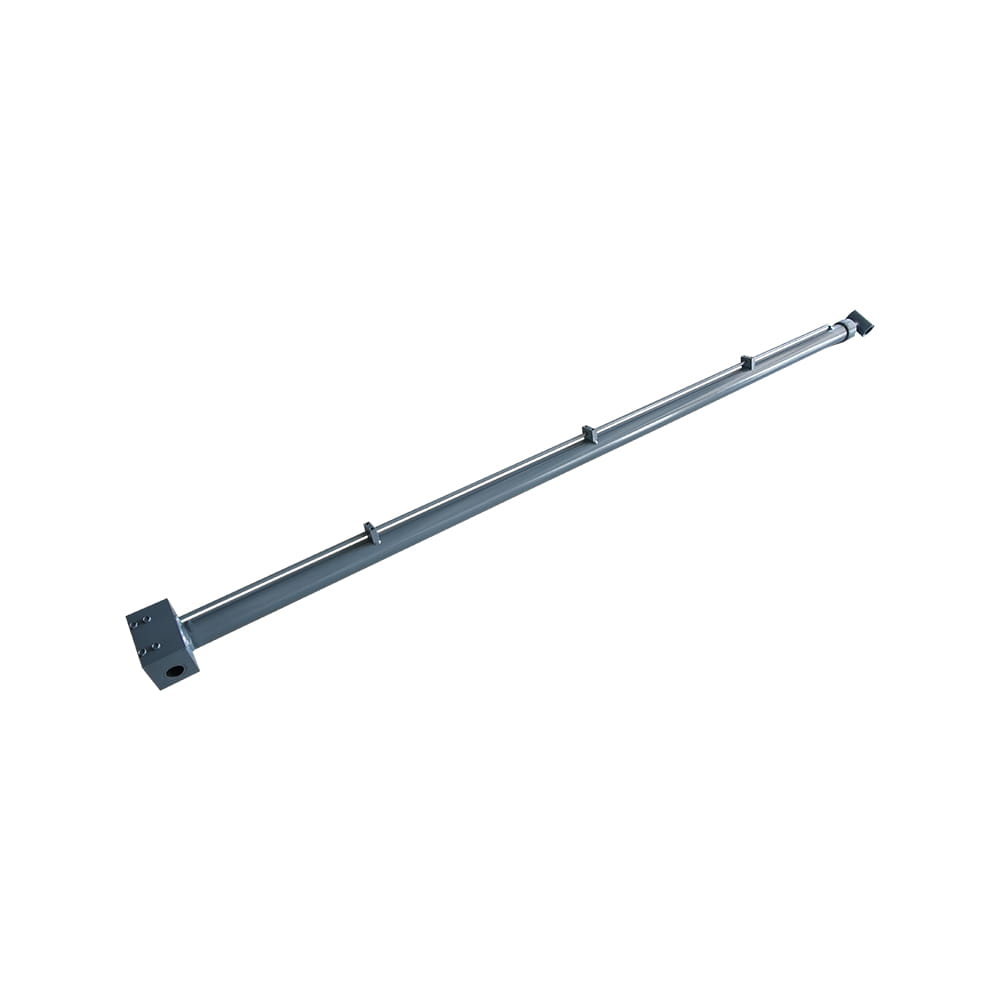 Boom mengangkat platform udara silinder teleskopik hidraulik
Fungsi: Laraskan panjang lengan untuk membolehkan platform kerja udara mengangkat dan bergerak fleksibel, memastikan keperluan julat dan ketinggian.
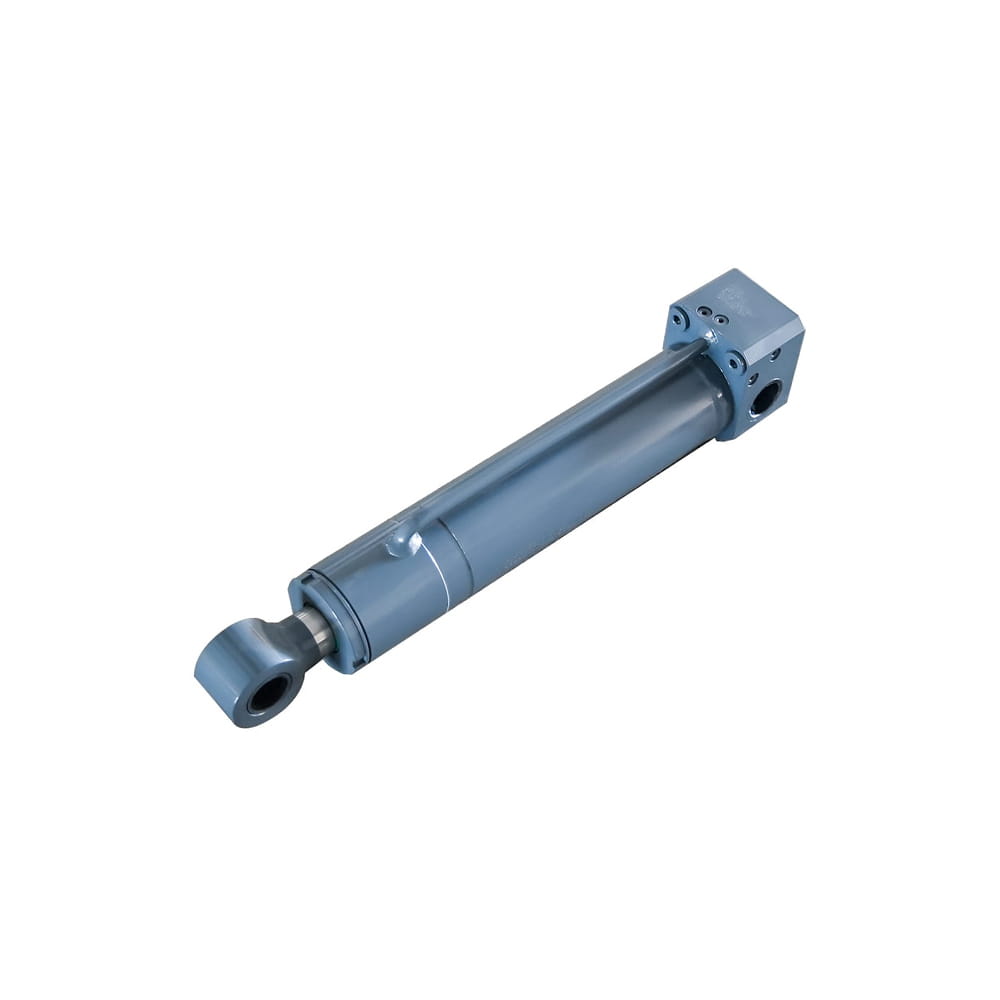 Boom Lift Platform Udara Hidraulik Bingkai Silinder
Fungsi: Secara automatik menyesuaikan casis di bahagian bawah platform ke keadaan tahap, memastikan sokongan yang stabil dan goyah di kawasan yang berbeza da...
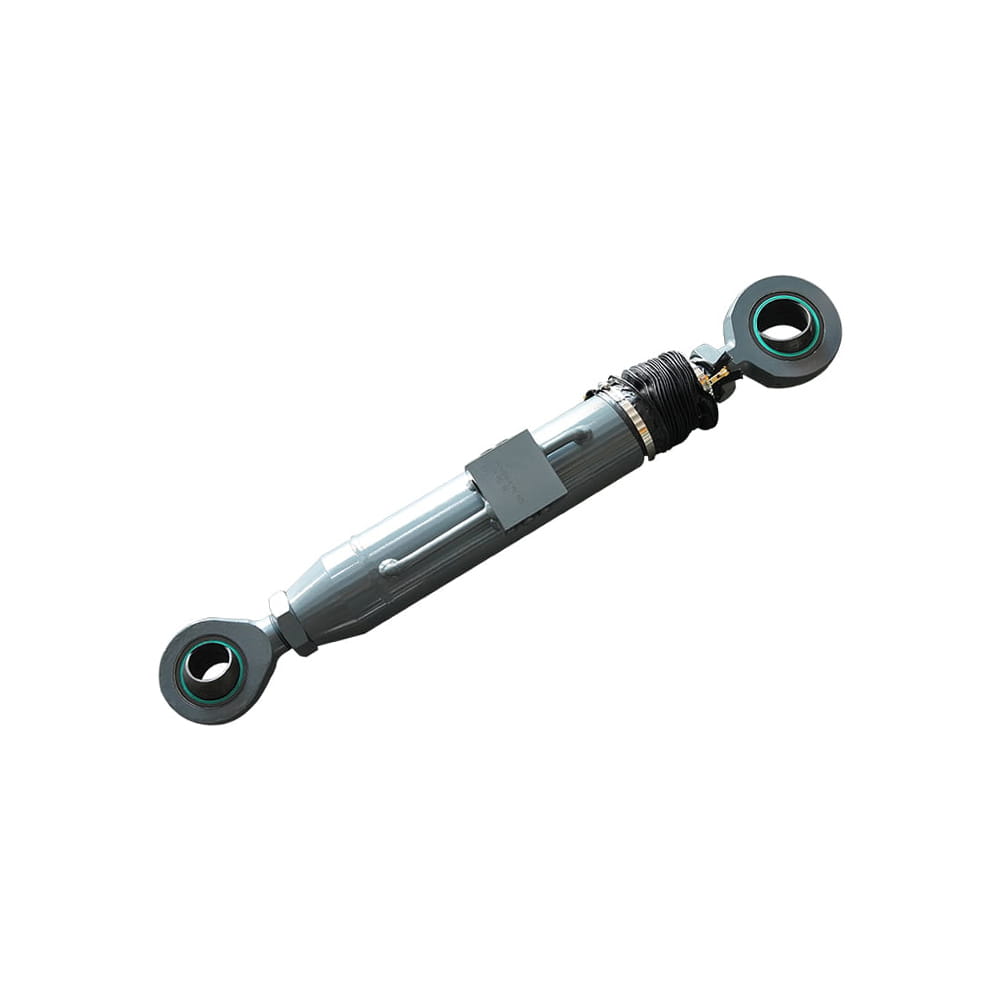 Boom mengangkat platform udara silinder lanjutan hidraulik
Fungsi: Reka bentuk penting yang meningkatkan kebolehsuaian dan julat kerja. Fungsi ini membolehkan platform untuk meluaskan casisnya di bawah keadaan terten...
Copyright © by Zhejiang Huanfeng Machinery Co., Ltd. Rights Reserved.
